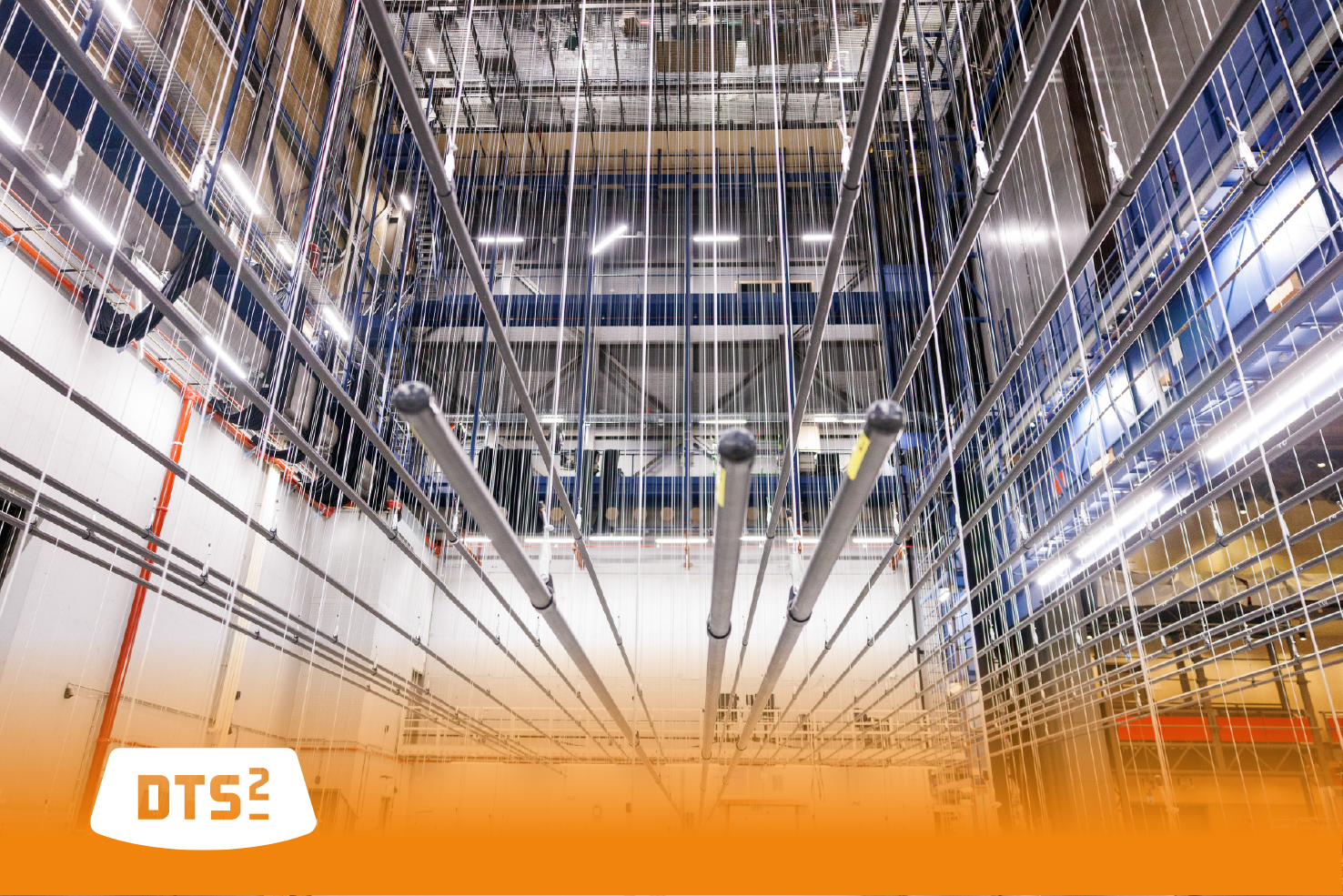
Behind every impressive set, seamless scene change, and safe performance lies a reliable stage rigging system. In this article, we explain what a stage rigging system is, how it works, and why maintenance and safety are essential for modern theaters.
A stage rigging system is a mechanical and electrical system used to move technical theater components vertically. This includes:
By utilizing hoisting and lifting technology, these components can be positioned quickly, in a controlled manner, and safely. This allows productions to be set up and changed efficiently without significant manual effort.
Theater productions are becoming increasingly complex. While many scene changes used to be performed manually, modern theaters now use automated systems. This offers several advantages:
Although no two theaters are the same, a stage rigging system often consists of a number of standard components.
The hoisting mechanism is the mechanical part responsible for the actual movement of a load.
Depending on the application, the following can be used:
The choice depends on factors such as load, frequency of use, and available space.
The drive provides the movement for the system.
Commonly used solutions include:
These allow for precise speed control and smooth execution of movements.
The control system forms the brain of the installation.
It allows users to:
Modern theaters often use advanced control systems capable of managing multiple installations simultaneously.
Because people are frequently located beneath moving loads, safety systems are essential.
Examples include:
These provisions help to minimize risks as much as possible.
Not every stage rigging system is fully automated. Both manual and automated systems exist.
In smaller venues or older theaters, manually operated counterweight systems are still frequently used.
Advantages:
Disadvantages:
Modern theaters are increasingly opting for automated rigging systems.
Advantages:
Disadvantages:
A stage rigging system must function reliably. A malfunction can have consequences for the safety of staff, performers, and visitors.
Common risks include:
That is why periodic inspections and professional maintenance are of great importance.
Theaters rely on systems that must be available whenever they are needed. Proper maintenance contributes to the reliability and lifespan of the equipment.
Preventive maintenance offers several benefits.
Problems can be detected before they impact operations.
Components continue to function longer when they are checked and replaced in a timely manner.
Risks can be identified at an early stage.
Minor defects can be resolved before they lead to costly repairs or downtime.
Many Dutch theaters have installations that were built decades ago. While these systems often still function, that does not automatically mean they still meet current requirements.
Signs that modernization may be advisable:
A technical inspection can provide insight into the current state of the installation and potential areas for improvement.
The theater world is constantly evolving. Modern installations are becoming increasingly smarter, safer, and more precise.
Developments we are seeing more and more often include:
This allows theaters to operate more efficiently while further increasing safety.
A stage hoist system is much more than just a technical tool. It forms the foundation for safe, reliable, and impressive theater productions. Through the combination of mechanics, control technology, and safety features, theaters can realize complex productions without compromising on safety or performance.
For theater managers, technical departments, and property owners, it is therefore important to invest not only in the right installation but also in inspections, maintenance, and future modernization. This ensures the theater remains ready for the productions of today and tomorrow.
Visit us at


